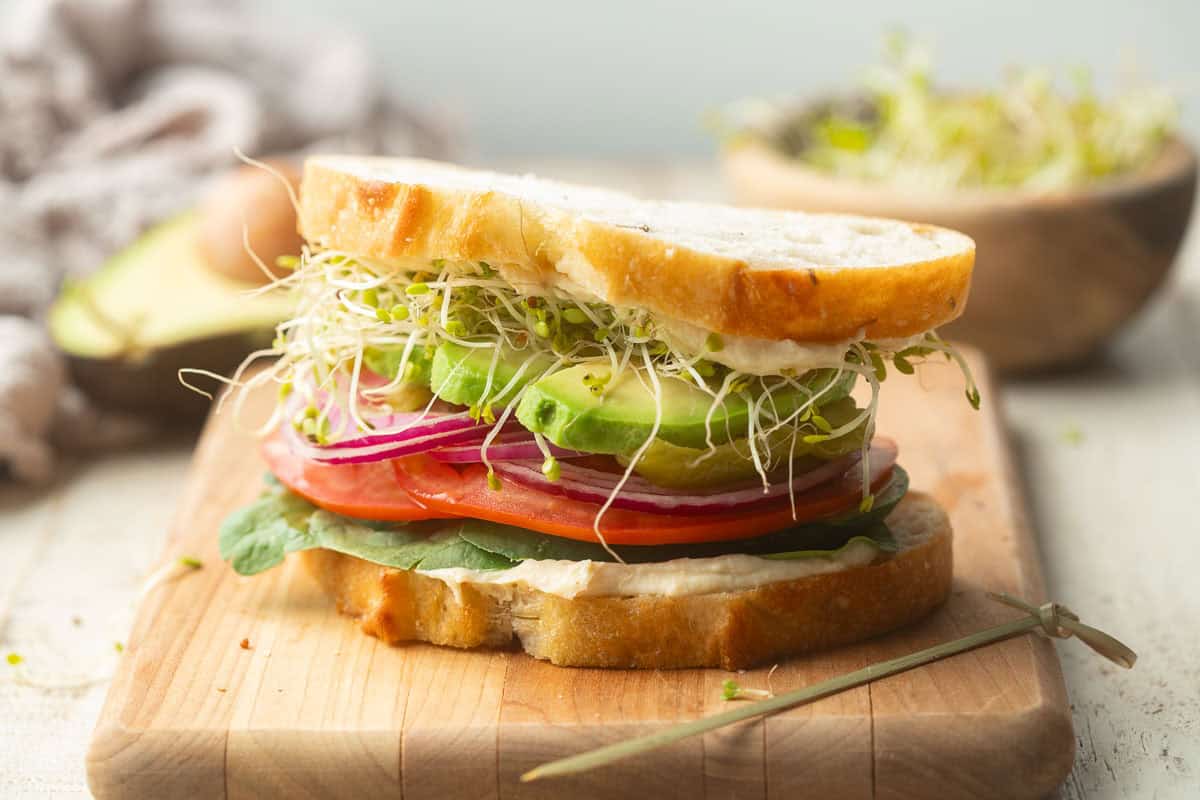
Mastering the Veggie Hummus Sandwich: No More Soggy Bread!
The veggie hummus sandwich has earned its place as a lunch hero: it's packed with nutrients, bursting with flavor, incredibly versatile, and delightfully simple to prepare. For those seeking a hearty, plant-based meal on the go, it ticks all the boxes. However, a common pitfall often turns this dream lunch into a damp disappointment: the dreaded soggy bread. There's nothing quite like biting into what should be a vibrant, crisp sandwich only to be met with a squishy, unappetizing mess.
But fear not, sandwich enthusiasts! Mastering the art of the veggie hummus sandwich that stays fresh and firm until the last bite is entirely achievable. This comprehensive guide will arm you with expert tips, creative ideas, and foundational knowledge to ensure your homemade sandwiches are always a triumph of texture and taste. Get ready to elevate your lunch game and say goodbye to soggy bread forever!
The Foundation of Flavor & Freshness: Building Your Perfect Veggie Hummus Sandwich
Every magnificent sandwich begins with a solid foundation. For the veggie hummus sandwich, this means selecting the right bread and spreads that not only deliver on taste but also act as crucial components in preventing moisture migration.
Choosing Your Canvas: The Ideal Bread
- Whole-Grain Bread: This is our top recommendation for several compelling reasons. Its denser texture stands up better to moisture compared to delicate white bread, making it a natural ally against sogginess. Beyond its structural integrity, whole-grain bread is a powerhouse of fiber, which, combined with the vegetables, provides a substantial boost to your daily fiber intake, supporting gut health and cardiovascular well-being. Look for varieties with a firm crumb.
- Sourdough: A rustic sourdough loaf can offer fantastic flavor and a robust crust that provides an excellent barrier.
- Rolls or Wraps: For an alternative experience, consider sturdy whole-wheat wraps or rolls. These can sometimes be even more forgiving in terms of moisture retention, especially if you're packing your sandwich for several hours.
- The Toasting Advantage: Lightly toasting your bread before assembling creates a thin, crispy barrier that significantly enhances its resistance to moisture. Just a minute or two in the toaster can make a world of difference.
The Dynamic Duo: Hummus & Avocado Spreads
Our ultimate veggie hummus sandwich often features not one, but two creamy, flavorful spreads:
- Protein-Packed Hummus: This is the soul of your sandwich. Not only does it provide a rich, savory base and a fantastic source of plant-based protein, but its creamy texture also acts as a natural sealant on your bread. Spread it generously and evenly from edge to edge on one slice of bread. Don't be afraid to experiment with different hummus flavors – roasted red pepper, garlic, sun-dried tomato, or spicy jalapeño can transform the entire sandwich profile.
- Heart-Healthy Avocado: On the other slice, a layer of ripe avocado adds incredible creaminess, healthy fats, potassium, and magnesium. Avocados are also a natural source of the antioxidant glutathione, which can help decrease inflammation and protect against cell damage. To combat avocado's notorious tendency to brown, simply squeeze a little lemon or lime juice over the mashed avocado before spreading it. This acidic touch helps slow oxidation, keeping your sandwich looking as good as it tastes.
Elevating Your Veggies: Texture, Taste, and Longevity
The magic of a veggie hummus sandwich truly comes alive with a vibrant medley of fresh vegetables. But here's where the soggy bread battle is often won or lost. The key is to manage moisture effectively without sacrificing flavor or nutrition.
The Moisture Management Mandate
This is arguably the most critical step in preventing soggy bread. Vegetables, by nature, contain a lot of water, which can quickly leach into your bread. Here's how to combat it:
- Wash and Dry THOROUGHLY: Use a salad spinner for all leafy greens to remove excess water. For other high-moisture vegetables like cucumbers and tomatoes, pat them down diligently with paper towels after slicing. You want them as dry as possible. This simple act is a game-changer.
- Pre-Prep Smartly: If you're planning to make sandwiches over a few days, wash and tear your salad greens into bite-sized pieces a day ahead. Roll them loosely in a clean cotton towel, then wrap the towel in a loose layer of plastic wrap and store them in the refrigerator. This method chills the greens and further reduces surface moisture, ensuring maximum crispness.
- Separate & Conquer: When packing a sandwich for later, consider keeping very high-moisture ingredients like sliced tomatoes or pickles separate and adding them right before eating. This is particularly effective for picnic or packed lunches.
A Kaleidoscope of Crispy Fillings
Beyond dryness, choosing the right mix of vegetables offers a symphony of textures and flavors. Aim for variety!
- Crunchy & Crisp: Sliced cucumbers, bell peppers (red, yellow, orange), shredded carrots, and radishes add satisfying crunch and vibrant color.
- Leafy Greens: Spinach, arugula, butter lettuce, or mixed greens provide freshness and a slight peppery bite. Ensure they are bone-dry!
- Sweet & Savory: Thinly sliced red onion (consider soaking in cold water for a few minutes to mellow the flavor), banana peppers, olives (for a salty kick), and roasted vegetables (like zucchini, eggplant, or bell peppers – ensure they are cooled and excess oil is drained) can add depth.
- Herbs & Sprouts: Fresh herbs like oregano, basil, or cilantro bring aromatic complexity. Alfalfa sprouts or sunflower sprouts offer a delicate crunch and a nutrient boost. The reference context highlights favorites like feta, spinach, banana peppers, cucumbers, and oregano, showcasing the versatility.
The Art of Layering
Once your ingredients are prepped, thoughtful layering can further protect your bread:
- Spread Barrier: Apply your hummus and avocado generously to the edges of each slice of bread. This creates a protective barrier.
- Sturdy First: Place sturdier, less watery vegetables (like bell peppers or shredded carrots) directly onto the hummus layer.
- Leafy Greens Next: Add your thoroughly dried greens.
- High-Moisture Last (or Separated): If using tomatoes or pickles, place them in the middle of the sandwich, surrounded by drier ingredients, or pack them separately.
- Flavor Boosters: Finish with feta, olives, or a sprinkle of herbs and spices like oregano, salt, and pepper.
Beyond the Basics: Customization & Health Benefits of Your Veggie Hummus Sandwich
The beauty of the veggie hummus sandwich lies in its endless customization possibilities. It's a base recipe, a canvas for your culinary creativity, allowing you to craft the sandwich of your dreams based on your mood, cravings, and what you have on hand. As highlighted by multiple sources, it truly works with whatever you've got lying around in the fridge.
Unleash Your Inner Sandwich Artist
- Hummus Variations: Don't limit yourself to plain hummus. Roasted red pepper, garlic, olive, sun-dried tomato, or even a spicy chipotle hummus can drastically alter the flavor profile.
- Additional Spreads: A thin layer of pesto, mustard (Dijon or whole-grain), or even a touch of vegan mayo can add another dimension of flavor.
- Cheese Please: For non-vegan options, a sprinkle of crumbled feta cheese, as suggested in the reference, or thin slices of provolone or smoked gouda, can add a salty, creamy counterpoint.
- Pickled Perfection: Pickled onions, banana peppers, or gherkins introduce a tangy, zesty crunch.
- Seasonal Sensations: Embrace seasonal produce. Summer offers an abundance of juicy tomatoes and crisp cucumbers, while fall brings hearty roasted root vegetables.
- Protein Power-Ups: While inherently protein-rich from the hummus, you could add thinly sliced smoked tofu or tempeh for an extra boost.
A Nutritional Powerhouse
Beyond its incredible taste and versatility, the veggie hummus sandwich is a beacon of health. It's a heart-healthy, plant-based lunch that offers a remarkable array of benefits:
- Fiber Fiesta: Between the whole-grain bread and the generous serving of diverse vegetables, you're packing in an incredible amount of dietary fiber. This is crucial for digestive health, promoting regularity, and helping to maintain stable blood sugar levels. Fiber also plays a vital role in supporting heart health.
- Heart-Healthy Fats: The addition of avocado provides monounsaturated fats, which are known to improve cholesterol levels and reduce the risk of heart disease.
- Vitamins & Minerals: Depending on your vegetable choices, you'll be loading up on essential vitamins (A, C, K, folate) and minerals (potassium, magnesium) that support overall bodily functions, from immune health to bone strength.
- Antioxidant Rich: Hummus (from chickpeas) and many vegetables (especially leafy greens and colorful peppers) are rich in antioxidants, which combat free radicals and reduce inflammation.
- Sustained Energy: The combination of complex carbohydrates from whole grains, protein from hummus, and healthy fats from avocado ensures a slow release of energy, keeping you feeling full and focused without the dreaded midday crash. It truly makes for The Ultimate Veggie Hummus Sandwich: Quick, Healthy & Versatile Lunch.
Expert Tips for a Superior Veggie Hummus Sandwich Experience
To truly master the veggie hummus sandwich and banish sogginess for good, consider these additional expert insights:
- Don't Overstuff (Unless Eating Immediately): While mile-high sandwiches look impressive, they can be challenging to eat and more prone to squishing, which releases moisture. If packing for later, aim for a more manageable stack.
- Consider the "Moisture Barrier" Trick: For extremely wet ingredients you absolutely must include (like a very ripe tomato), consider placing a leaf of sturdy lettuce or spinach directly underneath and above it to create an extra physical barrier between the tomato and the bread.
- Pack Smart: If assembling the sandwich ahead of time, wrap it tightly in plastic wrap or parchment paper, then place it in an airtight container. This minimizes exposure to air, which can cause both browning and drying out of the bread, and helps hold everything together securely.
- Separate for Superior Freshness: For lunches that will sit for many hours, pack your bread with hummus and avocado, and then store prepped, dried vegetables in a separate container. Assemble just before eating for the freshest, crispiest experience.
- Roasted Veggies for Deep Flavor: Don't underestimate the power of roasted vegetables. Roasting removes a lot of moisture and concentrates their flavors, making them excellent, non-soggy additions. Just ensure they are fully cooled before adding to the sandwich.
Conclusion
The veggie hummus sandwich is far more than just a quick lunch option; it's a testament to how simple ingredients, thoughtfully prepared, can create a meal that is both profoundly satisfying and incredibly healthy. By focusing on moisture management—from diligently drying your vegetables to expertly layering your spreads—you can confidently craft a sandwich that remains crisp, delicious, and utterly devoid of sogginess, even hours after assembly. Embrace the endless possibilities for customization, savor the myriad health benefits, and enjoy a truly elevated lunch experience. Happy sandwich making!
